Is a Home Paternity Test Right for You? Pros and Cons
The decision to use a home paternity test is multifaceted. It offers convenience and privacy, appealing to those seeking quick answers. Yet, the risks of inaccuracies and emotional consequences can complicate matters. Additionally, these tests lack legal recognition, raising questions about their reliability. Grasping these considerations is of utmost importance. What could be the most appropriate path forward for those confronted with such challenges?
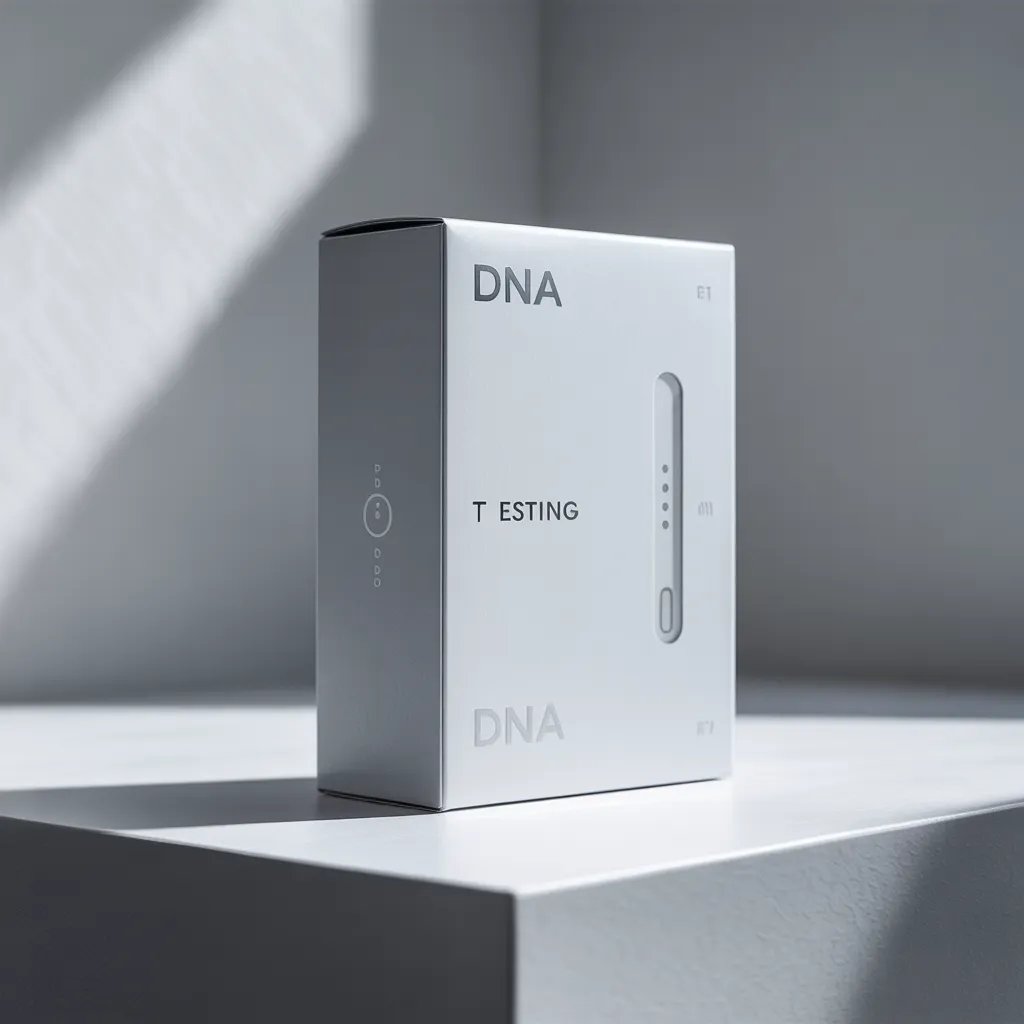
Understanding How Home Paternity Tests Work
At-home paternity tests streamline the procedure for establishing genetic connections through a straightforward method. Generally, these tests require obtaining DNA material from the parties in question, commonly via cheek swabs. Individuals follow the supplied directions to confirm correct sample gathering and processing. When the specimens have been obtained, they are sent to a certified lab for analysis.
At the testing facility, DNA is isolated and analyzed to assess genetic similarities. The testing process leverages advanced techniques to detect indicators of a genetic connection. Results are usually available within a couple of days, providing clarity to those seeking answers about parentage.
Although home paternity tests provide convenience and discretion, it is important for users to be aware that these tests are designed for informational use and may not carry legal weight. Those seeking official results for legal purposes may need to pursue accredited testing through certified facilities.
The Key Benefits of At-Home Paternity Testing
Why choose a home-based paternity test? Most people are drawn to the privacy and convenience that these tests present. This type of paternity testing enables confidential sample gathering, generally including easy-to-use cheek swabs, which are able to be conducted without the necessity of a clinical specialist. This accessibility makes it easier for people to get accurate results conveniently and in a private and familiar space.
Furthermore, home tests are often more affordable than laboratory tests, making them a compelling option for those looking to save money. The turnaround time for results is often quicker, frequently delivering answers within a few days.
Furthermore, such tests can ease emotional uncertainty by offering clarity about paternity, which can be essential for personal and legal circumstances. Overall, residential paternity tests deliver a viable option for those looking for answers without the difficulties associated with formal testing procedures.
The Pitfalls of Home-Based Paternity Testing
Although home paternity testing offers considerable convenience, important risks must be carefully considered. One significant concern is the accuracy of results. Home tests may not always adhere to the same rigorous standards as laboratory tests, leading to false positives or negatives. Moreover, inadequate sample collection methods can significantly affect the reliability of results, because improper handling or sample contamination can lead to skewed and unreliable conclusions.
Another risk involves privacy and data security. A large number of home testing kits necessitate the submission of personal information, which could be vulnerable to breaches or misuse. Moreover, people may encounter unforeseen emotional repercussions, since results may trigger family disputes or emotional distress.
Additionally, the legal aspects of home tests should be carefully examined. Outcomes from these tests are frequently not accepted as legal evidence, reducing their value in legal matters. In summary, while home paternity testing provides ease of access, the associated risks warrant careful consideration.
Legal and Emotional Factors in Paternity Testing
Understanding the emotional and legal consequences of paternity assessment is crucial for people considering a home-based test. The emotional consequences from finding out unanticipated findings can be profound, affecting ties between parents, children, and the broader family unit. It is important for individuals to prepare for the possibility of experiencing anger, anxiety, or confusion that can emerge following the test outcomes.
From a legal standpoint, the consequences can be considerable. Home paternity test results may be inadmissible in court, possibly creating complications in custody or child support cases. Therefore, those considering such tests should consult legal professionals to understand their options and rights fully. Furthermore, determining paternity can create legal obligations concerning child support and inheritance, introducing an additional dimension of complexity. At the end of the day, a thorough understanding of both the emotional and legal dimensions is vital for effectively managing the possible consequences of paternity testing.
Could a Home Paternity Test Be Right for You?
Deciding if a home paternity test is suitable involves careful consideration of various factors. People considering this choice are advised to reflect on their intentions, as emotional implications can be significant. This type of test delivers ease of access and confidentiality, but it lacks the legal standing of laboratory tests, which are frequently necessary in custody or child support proceedings.
In addition, accuracy remains a critical aspect to evaluate; while most home testing options are dependable, variations in results can happen. Individuals should also weigh the likely influence on household dynamics, as test outcomes may trigger unanticipated repercussions. Moreover, the financial value of home testing should be evaluated against the possible requirement for subsequent legal verification.
Ultimately, a thorough assessment of one's own circumstances, emotional preparedness, and lasting implications is crucial. Consulting with a professional may provide further clarity, allowing individuals to make a well-informed choice about whether a at-home paternity test suits their particular needs.
Common Questions and Answers
How Do Home Paternity Tests Compare in Accuracy to Lab Tests?
Residential paternity tests generally provide accuracy levels above 95%, similar to professional lab testing. Nevertheless, elements such visit this page as specimen quality and examination procedures can influence the outcome. To obtain conclusive results, laboratory-based testing is still considered the gold standard.
Can I Trust the Privacy of Home Paternity Test Results?
Trust in the security of at-home paternity test results fluctuates by company. Reputable providers enforce strict confidentiality measures, but individuals should examine guidelines and client testimonials to ensure sensitive details stays protected throughout the experience.
What Is the Typical Cost of Home Paternity Tests?
Home paternity testing kits generally cost from $100 to $500, based on the testing provider and the level of complexity involved. Extra charges may apply for accelerated results or advanced testing services, impacting the overall expense.
How Long Will It Take to Obtain Results From a Home Test?
Results from a home paternity test are typically available in between three to seven days. Some providers may offer expedited options, delivering results in as little as one to two days, depending on the lab's processing capabilities.
Are Home Paternity Tests Legal in All States?
Home paternity tests are generally legal in all states; however, specific regulations and guidelines may vary. It is important for individuals to review local laws and ensure adherence to any required legal procedures before moving forward.