Breast Augmentation: Everything You Need to Know Before Going Under the Knife
Breast augmentation is a significant decision that requires careful consideration. Individuals must weigh various factors, such as implant types and desired outcomes, alongside their health. A detailed consultation with a qualified surgeon can clarify the path ahead. However, understanding the nuances of the procedure, including potential risks and recovery, is equally important. As the journey unfolds, many are left wondering what lies beyond the initial decision.
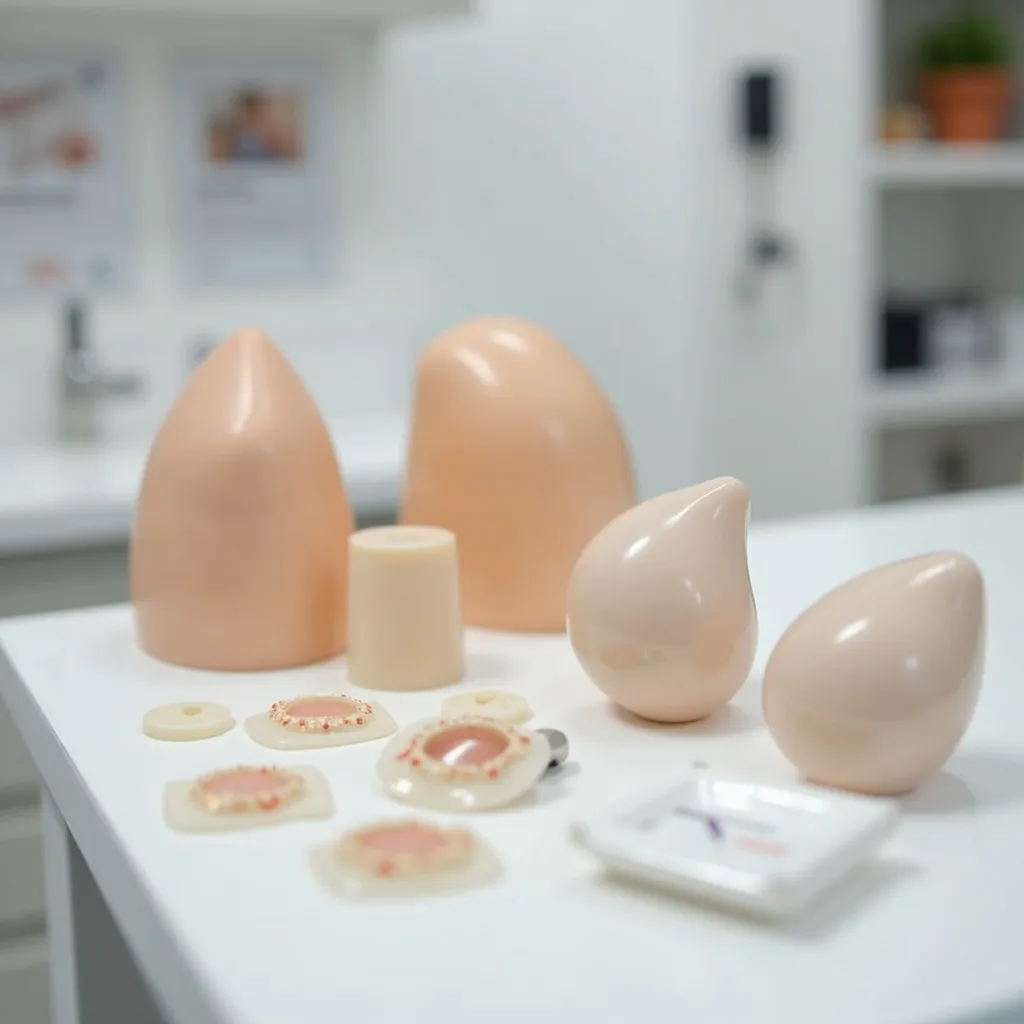
Important Considerations to Examine Prior to Breast Augmentation
Prior to pursuing breast augmentation, individuals must carefully evaluate multiple important elements that can significantly impact their choice. One important consideration is the selection between saline implants and silicone options, each possessing unique benefits and drawbacks. Additionally, the preferred breast form and size should align with individual body proportions and visual objectives.
Prospective applicants must also evaluate their general wellness and any underlying medical conditions that could complicate the surgical process or recuperation. Understanding the operation's risks and complications, such as infection or implant rupture, is crucial for making an informed choice.
Additionally, people should consider their psychological state and objectives for the surgery, as these can influence satisfaction with the results. Engaging with a reputable plastic surgeon can help clarify these factors, making certain that candidates are thoroughly informed and prepared for the journey ahead. Fundamentally, meticulous evaluation of these elements opens the door for a excellent experience.
What Happens During Your Breast Augmentation Meeting?
What can people anticipate during their breast augmentation meeting? During this opening consultation, prospective patients typically have a comprehensive dialogue with their cosmetic surgeon. The surgeon will review the patient's clinical records, discussing any current health concerns and medications. This is also an chance for individuals to communicate their aesthetic goals and expectations regarding the procedure.
In the aftermath of the discussion, the surgeon may carry out a physical assessment, inspecting the patient's breast tissue and overall body proportions. They will deliver information on various surgical techniques and what the recovery process entails. Additionally, patients can expect to view before-and-after photos of previous surgeries to better understand potential outcomes.
Questions regarding potential risks, advantages, and expenses will also be examined, guaranteeing that people undergoing treatment have a thorough comprehension of the treatment. This appointment serves as a crucial component in forming a relationship of trust between the client and the surgeon.
Types of Breast Enhancements: Silicone vs. Saline
When assessing breast augmentation, individuals often encounter the choice between silicone and saline implants, each offering distinct characteristics. Silicone implants are filled with a cohesive gel that closely mimics the texture of natural breast tissue. This option is preferred for its aesthetic appeal, as many believe it to provide a more natural appearance and texture. Additionally, silicone implants are less likely to ripple under the skin.
On the other hand, saline implants are filled with sterile saltwater and can be adjusted for size during surgery. They are often regarded a safer option, as any rupture results in safe saline absorption. However, saline implants may feel stiffer and are more susceptible to visible rippling.
In the end, the selection between silicone and saline implants relies on individual desires, intended goals, and conversations with a qualified plastic surgeon to confirm knowledgeable selections.
Typical Hazards of Breast Augmentation and How to Plan
Breast augmentation, albeit favored, entails numerous possible operative complications that individuals need to understand. Knowing these risks, coupled with effective preoperative preparation tips, can help with making informed decisions. This section will explore key considerations to improve safety and outcomes.
Potential Surgical Adverse Effects
Choosing to undergo breast augmentation involves carefully weighing the potential surgical risks that could arise. Common issues include infection, potentially causing prolonged recovery, and capsular contracture, where scar tissue forms around the implant, leading to discomfort or distortion. Hematoma, which is blood collection around the surgical area, may necessitate extra procedures. Furthermore, changes in nipple or breast sensation can happen, sometimes causing temporary or permanent changes. Implant rupture is another possible issue, requiring monitoring and potential replacement. Patients should also be aware of anesthesia-related complications. Gaining an understanding of these potential complications is vital for making informed choices and managing expectations after surgery. Awareness and a thorough consultation with a qualified surgeon can help effectively reduce these risks.
Preoperative Planning Tips
Achieving a successful breast augmentation expert guide requires preparation long before the surgical date, because proper preoperative planning can greatly risks. Patients are recommended to schedule a thorough consultation with their surgeon to address expectations, possible risks, and rehabilitation steps. It is important to reveal all medical history, including medications and allergies, since some drugs, especially blood thinners, may have to be stopped. Moreover, keeping a healthy lifestyle with proper nutrition and hydration can boost recovery. Quitting smoking is essential because it can delay healing. Patients should also plan for post-operative support, making sure a dependable caregiver is available to help during the early recovery phase. Adhering to these preparation tips can greatly improve the surgical outcome and lower the chance of complications.
Breast Augmentation Procedure Recovery Timeframe
The healing trajectory after breast augmentation surgery covers several key phases that clients must recognize. Initial surgical aftercare is imperative for ensuring a easy transition, trailed by typical healing phases that indicate progress. Extended recuperation elements also serve an important purpose in achieving ideal results and maintaining overall breast health.
Right After Operation Management
Following breast augmentation surgery, patients enter a major phase of recovery that critically impacts their overall outcome. Post-operative care immediately after the surgery focuses on managing discomfort and reducing complications. Patients are generally advised to rest and avoid vigorous activities for the first several days. Wearing a supportive bra is necessary, as it helps to stabilize the implants and reduce swelling. Pain relief and anti-inflammatory medication may be prescribed, and it’s vital to comply with the surgeon’s instructions about dosage and timing. Careful monitoring of the surgical site for any infection signs is also important during this timeframe. Proper hydration and nutrition can aid the healing process, while follow-up appointments give the surgeon a chance to assess recovery progress and handle any concerns that may arise.
Common Mending Phases
Learning about the conventional healing phases after breast augmentation surgery is necessary for patients to manage their recovery successfully. The healing process generally follows several stages. Initially, patients may suffer from swelling, bruising, and ache, which can last for a few days. Activity should be limited during this time.
Within one week post surgery, many patients are able to undertake light daily activities, although some pain may persist. By two to three weeks, most swelling begins to subside, and patients often feel more comfortable. At about six weeks, patients can progressively advance to more strenuous activities, but it is critical to follow the surgeon's guidelines. Complete healing may necessitate several months, with final results surfacing as tissues firm up and shape stabilizes.

Long-Term Improvement Matters
Long-term rehabilitation considerations after breast augmentation surgery are key in achieving desired results. Patients typically experience a progressive return to normal activities over several weeks. Initially, edema and soreness may persist for a few months, but most patients report marked improvement within six weeks. It is essential to follow post-operative instructions, including keeping on a supportive bra and refraining from strenuous activities. Regular follow-ups with the surgeon help monitor healing and address any concerns. Long-term care involves being aware of potential complications, such as capsular contracture or implant displacement, which may call for further intervention. Ultimately, patience and adherence to recovery guidelines are necessary for best outcomes and satisfaction with the results of the surgery.
Breast Augmentation Costs: How to Budget
Creating a budget for breast augmentation can be difficult, especially when considering the various elements that influence costs. The total expense typically includes the surgeon's charges, anesthesia, facility charges, and post-operative care. Costs can vary considerably based on geographic location, the surgeon's experience, and the type of implants selected.
Patients should also account for possible extra expenses such as appointments, subsequent check-ups, and any required drugs. It is advisable to request a comprehensive estimate from the surgery center to understand the complete cost breakdown.
Financing options may be accessible, permitting patients to manage payments over time. Exploring established clinics and assessing costs can aid in making informed decisions. Ultimately, careful budgeting guarantees that individuals can place emphasis on their health and aesthetic goals while circumventing unexpected financial burdens.
Popular Questions Asked Frequently
What Should I Consider When Selecting a Surgeon for My Operation?
Finding the perfect practitioner means researching credentials, studying opinions, examining background, and scheduling consultations. Considering comfort level and interaction style, as well as discussing risks and expectations, guarantees an informed decision for the procedure.
What Ought to I Put on on the Day of Surgery?
Prior to surgery, it is advisable to wear relaxed, cozy clothing that facilitates simple entry to the surgical area. Steer clear of tight garments and choose button-up or zippered tops for ease of use.
Is breastfeeding possible Following breast augmentation?
Yes, individuals can typically breastfeed after breast augmentation. However, elements such as the operative method and individual anatomy may affect this ability. Speaking to a medical expert can deliver personalized direction and tackle specific concerns.
What Effect Will My Implants Have on Future Mammograms?
Breast implants can obscure mammogram images, potentially complicating the detection of anomalies. However, specific techniques can improve visibility. It's necessary for people with implants to communicate with their radiologists to guarantee dependable screenings and assessments.
What Will Take Place if I Opt to Extract My Implants In the Future?
If breast implants are extracted, the individual may experience changes in breast shape and volume. Recovery includes possible inflammation and soreness, with different outcomes depending on skin elasticity and prior implant size. Speaking with a surgical specialist is crucial.