Open Up the Benefits of Massage Therapy: Your Way to Relaxation and Vitality
Massage therapy provides a holistic strategy to enhancing well-being. It boosts blood flow and alleviates anxiety, fostering both bodily and psychological health. Numerous techniques address individual preferences, making it crucial to recognize their separate advantages. As individuals explore incorporating massage to their wellness routines, concerns surface about best choices and results. What knowledge can be derived from investigating these aspects further?
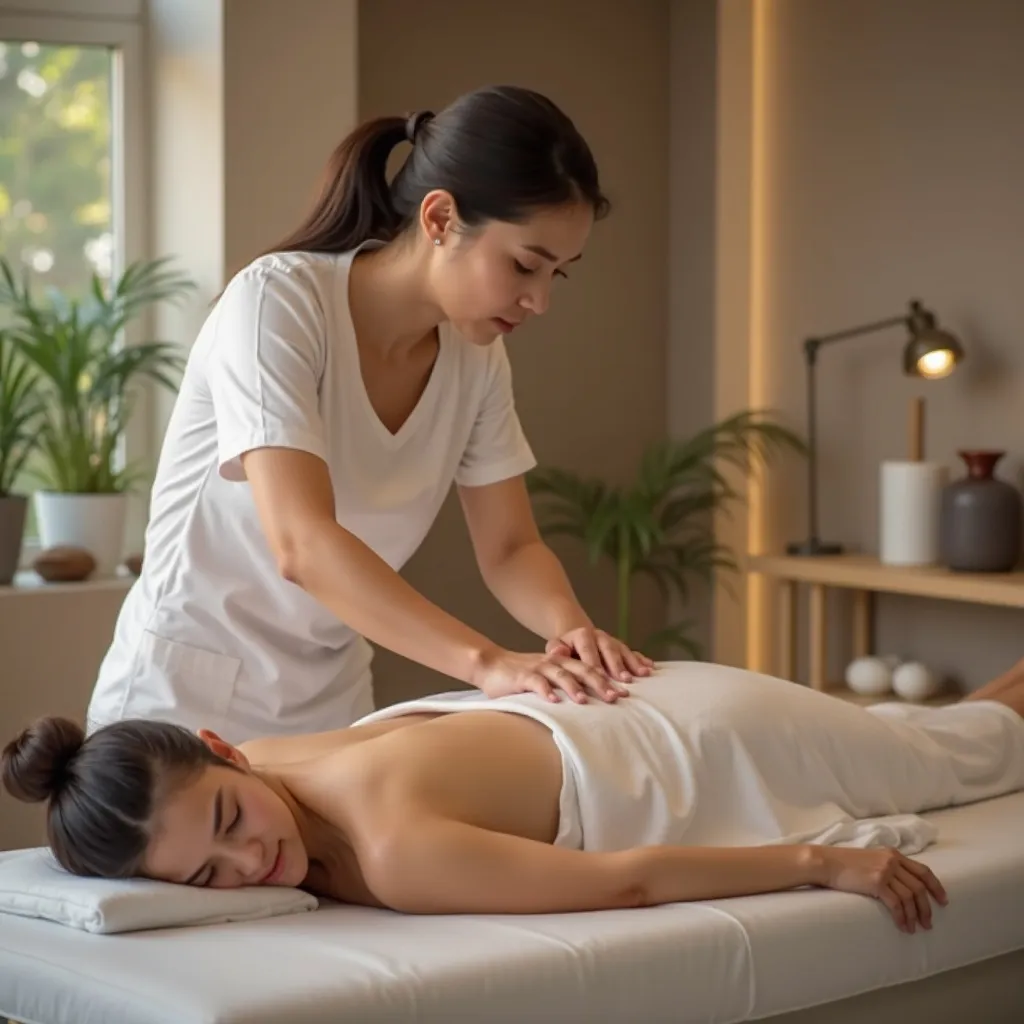
Understanding the Science Behind Massage Therapy Benefits
What contributes to therapeutic massage being so effective in promoting wellness? The research supporting this method depends on its ability to regulate the body's psychological and physiological conditions. Therapeutic massage increases blood circulation, enhancing the movement of nutrients and oxygen to tissues while supporting the removal of metabolic toxins. This improved blood flow can enable speedier recuperation from physical damage and lessened muscular tension. Moreover, the physical touch inherent in therapeutic work activates the release of the body's natural painkillers, the body's pain-relieving substances, fostering a feeling of serenity and relaxation.
Additionally, clinical research show that massage therapy can change the autonomic nervous system, shifting it from a state of stress to one of serenity. This harmony helps manage heart rate and blood pressure, promoting overall health. By addressing both physical and emotional aspects, massage therapy offers a holistic approach to improving quality of life, making it a vital support in health management.
The Way Massage Treatment Lowers Stress and Nervousness
Massage therapy is recognized for facilitating an heightened state of relaxation, which can noticeably reduce stress and anxiety. Research suggests that it effectively lowers cortisol levels, contributing to a more peaceful mental state. Additionally, the practice encourages improved mood regulation, additionally promoting emotional well-being.
Advanced Anxiety Reduction
The gentle touch of trained hands can initiate a profound relaxation response, effectively lowering stress and tension. Massage therapy facilitates in reducing muscular tension, encouraging an overall feeling of calmness. This physical release helps individuals feel more grounded, allowing their minds to enter a tranquil state. Clients frequently mention a notable decline in racing thoughts and mental clutter during and after treatments. Moreover, the rhythmic nature of massage can induce a meditative state, boosting emotional well-being. During relaxation, the body causes the heart rate to slow, and breathing to become deeper and more regular. This deep relaxation response not only produces immediate relief and aids lasting improvements in stress management and mental health.
Decreased Cortisol Output
While many seek rest through different approaches, research shows that massage therapy effectively lowers cortisol levels, a primary stress hormone. Elevated cortisol is often associated with chronic stress, which can lead to various health issues, including anxiety and depression. Research show that regular massage therapy can considerably reduce these cortisol levels, fostering a state of peace and wellness. This reduction not only alleviates immediate stress responses but also adds to long-term health benefits. By lowering cortisol, therapeutic massage can help individuals handle their stress more successfully, enhancing their overall quality of life. In addition, lower cortisol levels may improve sleep and strengthen immune function, establishing a holistic approach to wellness and relaxation.
Strengthened Mood Stability
Although several factors influence emotional well-being, research clearly shows that massage therapy plays a key role in improving emotional control by reducing stress and anxiety. The physiological effects of massage, including increased circulation and muscle relaxation, induce a sense of calm. Studies have shown that regular sessions can lower cortisol, the stress hormone, while additionally increasing serotonin and dopamine, chemical messengers connected to relaxation and happiness. Clients frequently report reduced symptoms of anxiety and depression after treatment, which supports their overall emotional resilience. By tackling both physical and emotional tension, massage therapy functions as a valuable resource for those seeking better mental health and a more balanced mood.
Discovering Massage Therapy Techniques and Their Benefits
Massage therapy encompasses a range of techniques, each designed to tackle specific somatic and affective needs. An review of these methods demonstrates substantial wellness benefits, ranging from improved relaxation to better flow of blood. Comprehending the distinct techniques can enable individuals determine the most efficient strategy for their health path.
Massage Technique Styles
The broad world of therapeutic massage features a collection of techniques, each tailored to satisfy specific requirements and desires. Swedish massage stands as one of the most popular styles, highlighting on smooth, extended strokes to support serenity. Deep tissue massage ventures deeper into muscular tissue to ease stubborn tension. Sports massage concentrates on athletes, enhancing athletic capacity and supporting recovery through focused methods. Shiatsu, a Japanese method, uses finger pressure on specific areas to restore energy flow. Meanwhile, aromatherapy massage combines essential oils with calming techniques to amplify tranquility and wellness. Finally, prenatal massage is made for expectant mothers, providing relief and comfort from pregnancy-related discomfort. Each method yields distinctive experiences and can cater to personal health goals.
Health Advantages Breakdown
Exploring the many health benefits of massage therapy demonstrates its deep impact on physical and mental well-being. Studies indicate that massage can reduce pain, reduce muscle tension, and enhance circulation, promoting faster healing from injuries. Also, it increases flexibility and range of motion, necessary for keeping an active lifestyle. Psychologically, massage therapy is known to lessening stress and anxiety, leading to better mood and mental clarity. Moreover, it promotes better sleep quality, permitting restorative begin now rest. Regular sessions can bring about a more balanced state of mind and body, reinforcing the importance of incorporating massage therapy into holistic wellness practices. Hence, the benefits of massage therapy go well beyond just relaxation.
How to Select the Best Massage for Your Objectives
How can someone figure out the most suitable massage type to correspond with personal wellness goals? First, it is essential to identify specific needs, such as relaxation, pain relief, or improved mobility. For stress reduction, Swedish massage may be ideal, stressing gentle techniques that promote relaxation. Conversely, for muscle tension or chronic pain, deep tissue massage targets deeper layers of muscle and connective tissue.
Individuals pursuing improved athletic performance could benefit from sports massage, which emphasizes improving flexibility and decreasing the risk of injury. Additionally, those curious about alternative approaches might explore aromatherapy massages, adding essential oils for greater relaxation and mood improvement.
Speaking with a qualified massage specialist can supply helpful information into which techniques are ideal for personal objectives. By grasping the various types of bodywork and their positive effects, individuals can create educated decisions that effectively align with their fitness aspirations.
Integrate Massage Therapy in Your Self-Care Program
Adding therapeutic massage to your health regimen can significantly improve overall well-being. Regular sessions can reduce anxiety, reduce muscle tension, and improve circulation, supporting a more balanced lifestyle. By dedicating moments for massage therapy, people create a dedicated space for rest and personal wellness, which can be especially advantageous in today's fast-paced world.
Developing a steady schedule, whether weekly or biweekly, permits the body to reap progressive benefits. This method not only helps maintain physical health but also cultivates mental lucidity and emotional stability. Additionally, blending various types of therapeutic touch—such as Swedish, deep tissue, or aromatherapy—can respond to distinct preferences and desires, boosting the overall experience.
Ultimately, making massage therapy a regular component of a health regimen empowers individuals to emphasize their health, leading to improved quality of life and a deeper connection to their physical requirements.
What to Expect During Your First Massage Session
After defining massage therapy as an important part of a wellness routine, people may be curious about what their initial session will entail. Generally, the experience commences with a brief consultation where the therapist examines the client's medical history, preferences, and specific areas of concern. This dialogue guarantees a tailored approach customized to individual needs.
Once relaxed, clients are guided to a secluded space and requested to remove their clothing to their preferred level of comfort, often under a sheet or towel for discretion. The practitioner will demonstrate approaches, explaining the procedure and responding to any concerns. Early strokes may seem unusual, but the practitioner will adjust pressure according to feedback.
Throughout the session, relaxation is prioritized, and clients are invited to express any discomfort. After the massage, clients often get post-treatment guidance, including fluid intake recommendations and possible stretching exercises. Overall, the first session sets the foundation for a healing partnership centered on wellness.
Often Raised FAQs
What Frequency of Massages Will Provide Peak Benefits?
To maximize benefits, people should explore receiving a massage therapy every four to six weeks. However, frequency may differ based on individual requirements, mental stress, and specific health conditions requiring customized care for best results.
Can Therapeutic Massage Help With Particular Medical Conditions?
Massage therapy supports managing certain health conditions, such as chronic pain, anxiety, and muscle tension. Its restorative effects can augment established treatments, promoting general well-being and improving recovery for multiple medical conditions.
What Ought I Don Throughout a Massage Session?
Throughout a massage session, people usually wear loose, comfortable clothing or may choose to undress to their comfort level. Therapists provide cloth coverings for discretion, guaranteeing peace of mind while maintaining professional standards throughout the experience.
Do Massage Treatment Have Any Potential Drawbacks?
Massage therapy may produce minor complications, consisting of transient pain, bruising, or fatigue. Individuals with particular health concerns could suffer more significant reactions, therefore meeting with a physician beforehand is suggested for personalized guidance.
What's the Best Way to Discover a Qualified Massage Therapist?
To discover a qualified massage therapist, individuals should request recommendations from reliable sources, check qualifications, review online feedback, and confirm licenses. Meeting prior to scheduling can also help determine suitability and expertise.